


Turmeric is a golden-orange spice containing curcumin, which provides powerful anti-inflammatory and antioxidant properties. It is used to reduce joint pain, support immune function, and protect cells

Updated: Jul 8
Turmeric is a golden-orange spice containing curcumin, which provides powerful anti-inflammatory and antioxidant properties. It is used to reduce joint pain, support immune function, and protect cells from damage. [1, 2]
Key Health Effects
Reduces Inflammation: Curcumin helps fight chronic inflammation linked to conditions like osteoarthritis and rheumatoid arthritis.
Acts as an Antioxidant: It neutralizes free radicals, potentially reducing oxidative damage associated with aging and chronic diseases.
Supports Brain Health: Studies suggest it may increase brain-derived neurotrophic factor (BDNF) levels, potentially delaying age-related brain diseases.
Aids Metabolic Health: Research shows it can assist in managing blood sugar, insulin resistance, and cholesterol levels https://www.hopkinsmedicine.org/health/expert-qa/turmeric-benefits

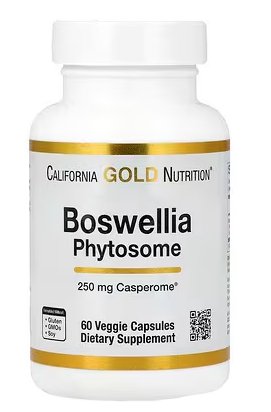
https://au.iherb.com/pr/california-gold-nutrition-turmeric-curcumin-phytosome-meriva-500-mg-60-veggie-capsules/137785 **Turmeric (Curcuma longa)**, particularly its active compound **curcumin**, has been used in traditional medicine for centuries and is studied for its potential anti-inflammatory, antioxidant, and other health effects.
### Strongest Evidence: Osteoarthritis and Pain Relief
Moderate-quality evidence from systematic reviews and randomized controlled trials supports turmeric/curcumin for **knee osteoarthritis**. It can reduce pain and improve physical function, often comparable to some NSAIDs (like ibuprofen) but with fewer side effects in studies.
Benefits appear in both turmeric extracts and enhanced-bioavailability formulations.
### Anti-Inflammatory and Antioxidant Properties
Curcumin helps modulate inflammatory pathways (e.g., blocking NF-κB) and reduces oxidative stress. This underlies many potential benefits and supports its use in inflammatory conditions.
### Other Potential Benefits (Promising but Often Lower-Quality or Preliminary Evidence)
- **Metabolic health** — Some evidence for improvements in metabolic syndrome, blood sugar control (in type 2 diabetes or prediabetes), lipid profiles (e.g., lowering triglycerides/cholesterol), and modest reductions in body weight, waist circumference, and fat mass.
- **Depression** — May help reduce symptoms, especially as an add-on to antidepressants.
- **Hay fever/allergies** — Can reduce symptoms like sneezing and congestion.
- **Heart health** — Potential to reduce inflammation/oxidation linked to cardiovascular risk and improve some markers.
- **Brain health** — May support BDNF levels and offer neuroprotective effects, with interest in Alzheimer's and cognitive function (more research needed).
- **Other areas** — Early research on anticancer properties, antimicrobial effects, ulcerative colitis, liver/kidney function, rheumatoid arthritis, and dysmenorrhea. Results are mixed or preliminary.
Many benefits are linked to **curcumin's poor natural bioavailability** — supplements often use enhancements like piperine (black pepper extract) or special formulations to improve absorption.
### Safety and Side Effects
Turmeric is generally safe in culinary amounts and as short-term supplements (up to ~8g curcumin/day for limited periods). Common mild side effects include stomach upset, nausea, diarrhea, or reflux, especially at high doses.
Rare but serious concerns include **liver injury** (especially with highly bioavailable formulations) — stop use and seek medical help if symptoms like fatigue, jaundice, or dark urine appear.
It may interact with blood thinners, affect iron absorption, or be unsafe in large amounts during pregnancy. Consult a doctor before using supplements, especially if you have health conditions or take medications.
### Bottom Line
Turmeric/curcumin shows the most reliable benefits for **osteoarthritis pain and inflammation**. Other effects are promising but require more high-quality research to confirm optimal doses, long-term safety, and efficacy. It's not a miracle cure, and supplements aren't strictly regulated — quality varies. For best results, combine with a healthy diet/lifestyle and professional medical advice. Cooking with turmeric (e.g., in curries) is a safe, low-risk way to enjoy it.
Typical Dosages for Curcumin Phytosome
Doses are generally lower than standard curcumin due to better absorption. Follow product labels or clinical guidance:
Standard recommendation (e.g., Thorne Meriva phytosome): 1–2 capsules (often 500 mg phytosome complex per capsule/serving) once or twice daily, with or without food. This typically provides 250–1,000 mg of the phytosome complex daily.
Clinical examples:
Osteoarthritis/psoriasis studies: Around 1–2 g of Meriva daily (e.g., 500 mg tablets twice daily).
General anti-inflammatory support: 500–1,000 mg phytosome complex per day, split into doses.
Start low (e.g., 500 mg/day) to assess tolerance and increase as needed.
For comparison, standard (non-phytosome) curcumin is often dosed at 500–2,000 mg/day, sometimes with piperine for absorption. Phytosome allows effective results at lower amounts.
Duration: Studies use it from a few weeks to several months. Long-term use appears possible under medical supervision.
References https://pmc.ncbi.nlm.nih.gov/articles/PMC7522354/ https://www.health.harvard.edu/healthy-aging-and-longevity/turmeric-benefits-a-look-at-the-evidence https://www.sciencedirect.com/science/article/abs/pii/S1876382020314335


Comments