


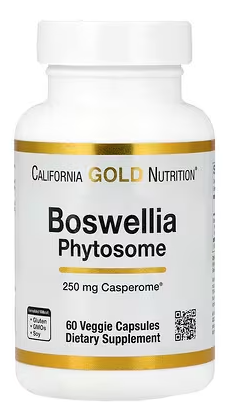
Boswellia and Turmeric best taken together for different reasons see below

**Boswellia** (also called Indian frankincense, from the resin of *Boswellia serrata*) and **turmeric** (from the rhizome/root of *Curcuma longa*; the key active compound is curcumin) are both traditional Ayurvedic herbs used mainly as anti-inflammatory supplements, especially for joint pain and osteoarthritis. They are not interchangeable—they come from different plant parts, use different active compounds, and act on largely distinct inflammatory pathways.

### Core Differences
| Aspect | Boswellia | Turmeric (Curcumin) |
|-------------------------|------------------------------------------------|--------------------------------------------------|
| **Source** | Gum resin of the *Boswellia serrata* tree | Rhizome (root) of *Curcuma longa* |
| **Main active compounds** | Boswellic acids (especially AKBA) | Curcuminoids (mainly curcumin) |
| **Primary anti-inflammatory pathway** | Inhibits **5-LOX** (5-lipoxygenase) → reduces leukotrienes | Modulates **NF-κB** (a master inflammatory switch); also affects COX-2 and other pathways |
| **Typical focus of benefits** | Joint comfort, mobility, and potential structural support for cartilage | Broader inflammation control, antioxidant effects, joint pain, and inflammatory markers (e.g., CRP, TNF-α) |
| **Bioavailability** | Moderate (fat-soluble); improved by some extract forms | Poor on its own; usually needs enhancers (piperine/black pepper, lipids, or specialized formulations) |
| **Common forms** | Standardized extracts (often high in boswellic acids/AKBA) | Powder, extracts (often 95% curcuminoids), or enhanced-bioavailability versions |
### Mechanisms
Boswellia’s signature action is relatively specific: it blocks the 5-LOX enzyme that produces pro-inflammatory leukotrienes. These mediators contribute to joint irritation, swelling, and other inflammatory signals. Few common botanicals target this pathway as directly.
Turmeric’s curcumin acts more upstream and broadly. It helps calm the NF-κB pathway (which turns on many inflammatory genes) and influences COX-2 (involved in prostaglandin production, the same general route targeted by many NSAIDs). It also has notable antioxidant effects.
Because the pathways overlap only partially, the two are often considered complementary. Several studies and reviews note that combining them can produce stronger effects on joint pain and function than either alone.
### Evidence for Joint Issues
Both have clinical support for osteoarthritis (especially knee), with some trials showing improvements in pain, stiffness, and function that can approach certain NSAIDs, generally with fewer gastrointestinal side effects. Evidence quality varies, and results depend heavily on the extract quality, dose, and formulation (plain powders are less reliable than standardized or bioavailability-enhanced versions).
- Boswellia often stands out for mobility and joint-specific outcomes.
- Curcumin has a larger overall research base across inflammation markers and multiple conditions.
- Modified/enhanced formulations of either tend to perform better than basic extracts.
### Practical Notes
- **Dosage** depends on the product’s standardization (e.g., % boswellic acids or curcuminoids) and delivery system. Typical studied ranges are roughly 300–1,500+ mg for boswellia extracts and 500–2,000 mg for curcumin (lower for highly bioavailable forms).
- **Safety**: Both are generally well tolerated. High doses of turmeric/curcumin can cause digestive upset in some people. Consult a doctor before use if you take blood thinners, have gallbladder issues, are pregnant, or take other medications.
- **Turmeric as a spice** provides only small amounts of curcumin; therapeutic effects almost always come from concentrated extracts.
- Neither replaces medical treatment for arthritis or other inflammatory conditions.
**Bottom line**: Choose boswellia when joint mobility and the leukotriene pathway are priorities; choose turmeric/curcumin for broader anti-inflammatory and antioxidant support. Many people get better results using quality versions of both together rather than picking one. Look for standardized extracts with good bioavailability data, and prioritize products backed by clinical testing when possible.


Comments