


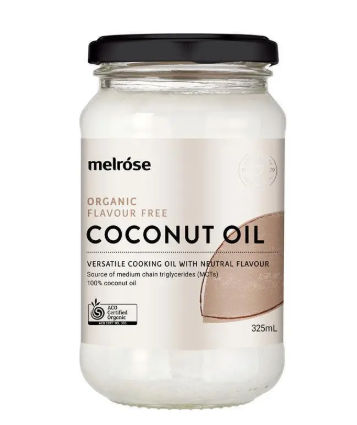
Pure coconut oil (especially virgin coconut ) offers several evidence-based benefits for skin use, primarily as a moisturizer, with some supportive effects on skin barrier function, antimicrobial

Graham Healy Med science degree Wed 8/7/26 **Pure coconut oil (especially virgin coconut oil or VCO) offers several evidence-based benefits for skin use, primarily as a moisturizer, with some supportive effects on skin barrier function, mild inflammation, and antimicrobial activity.**
### Key Medical Benefits for Skin
- **Moisturizing and skin barrier repair**: Coconut oil is an effective emollient. It reduces transepidermal water loss (TWL), helping to hydrate dry skin and improve skin barrier function. Studies show it boosts moisture content and can help with conditions involving dry or compromised skin, such as xerosis.
- **Mild to moderate atopic dermatitis (eczema)**: Limited but consistent evidence supports its use in prevention and treatment. It can reduce symptom severity, improve skin hydration, and support barrier function better than some alternatives in certain studies.
- **Anti-inflammatory effects**: Virgin coconut oil can suppress inflammatory markers (e.g., cytokines like TNF-α, IL-6) and protect skin from irritation or damage.
- **Wound healing support**: Some animal studies and preliminary evidence suggest it may accelerate healing of minor wounds or burns and promote collagen production, though human evidence is limited.
- **General soothing**: It may help with mild skin irritation (e.g., razor burn) and act as a natural barrier against environmental factors.
These benefits stem largely from its high content of medium-chain fatty acids (about 65%), particularly **lauric acid**, along with antioxidants and other compounds in virgin coconut oil.
### Can It Kill Bacteria?
**Yes, coconut oil has demonstrated antibacterial properties, mainly due to lauric acid (and its derivative monolaurin), which can disrupt bacterial cell membranes.**
- It is particularly effective against **Gram-positive bacteria** (e.g., *Staphylococcus aureus*, *Streptococcus* species). In vitro studies show it can inhibit or kill these, including strains relevant to skin infections or acne.
- Effects against Gram-negative bacteria (e.g., *E. coli*) are generally weaker.
- It also shows some antifungal and antiviral potential in lab studies.
**On skin**: These properties may help reduce certain bacteria on the skin surface, support minor infections, or complement moisturizing in conditions like eczema (where secondary bacterial issues can occur). However, it is **not a broad-spectrum antibiotic or replacement for medical treatments** like prescription creams for infections or acne.
### Important Caveats
- **Evidence level**: Many benefits are supported by small studies, in vitro (lab) tests, or animal data. Stronger clinical trials are still needed for definitive medical recommendations.
- **Not for everyone**: Coconut oil is **comedogenic** (pore-clogging) for some people, especially those with oily or acne-prone skin — it may worsen breakouts. Patch test first. Refined coconut oil has fewer antioxidants than virgin.
- **Safety**: Generally safe for topical use, but consult a doctor for serious skin conditions, open wounds, or if you have allergies. It's not a substitute for proven treatments like sunscreen or antibiotics when needed.
- **Best use**: Apply a thin layer to clean, damp skin as a moisturizer. Pure/virgin is preferable for skin benefits.
Overall, pure coconut oil is a good natural option for dry skin moisturizing and mild support, with genuine but modest antibacterial effects — especially useful in resource-limited settings or as an adjunct. For specific medical issues, see a dermatologist.


Comments