


LIONS MANE MUSHROOM POWDER

LIONS MANE MUSHROOM POWDER
**Lion’s Mane mushroom (Hericium erinaceus) powder** has been studied for its potential to support nerve growth, regeneration, and brain health, primarily through compounds that stimulate **Nerve Growth Factor (NGF)** and related neurotrophic pathways.
### Key Mechanisms from Preclinical Research
- **NGF Stimulation**: Hericenones (from fruiting bodies) and erinacines (from mycelia) promote NGF synthesis, which supports neuron growth, survival, and repair. Some erinacines cross the blood-brain barrier in animal models.
- **Neurogenesis and Neurite Outgrowth**: In vitro and animal studies show extracts promote new neuron projections (neurites/axons), branching, and growth cone enlargement in hippocampal neurons. A notable 2023 University of Queensland study identified compounds like N-de phenylethyl isohericerin (NDPIH) and hericene A that activate neurotrophic pathways (including ERK1/2 signaling), enhancing neuron connectivity and spatial memory in mice.
- **Nerve Regeneration**: Animal models (e.g., rats with crushed nerves or injuries) demonstrate faster peripheral nerve regrowth, improved functional recovery, and myelin support. Effects also appear in brain-related models, with potential anti-inflammatory and neuroprotective benefits against oxidative stress or amyloid toxicity.
- Other effects include reduced inflammation, antioxidant activity, and possible support for BDNF (another neurotrophic factor).
These findings suggest potential for brain "renewal" or repair, such as in neurodegenerative conditions, mild cognitive impairment, or nerve injuries, but most evidence comes from cell cultures and rodents.
### Human Studies
Human evidence, especially for **nerve regeneration in the brain**, is limited and mixed:
- Small trials (e.g., 30–77 participants) using powdered extracts or mycelium (doses like 1–3 g/day for 4–16 weeks) have shown modest improvements in cognitive scores, mood (reduced depression/anxiety), and subjective stress in older adults or those with mild cognitive impairment.
- Benefits often fade after stopping supplementation, and some studies show no clear cognitive gains or mixed results in younger healthy adults.
- No robust large-scale human trials confirm direct nerve regeneration or neurogenesis in the human brain. Cognitive/mood effects may relate indirectly to neurotrophic support, but results vary by dose, form (powder vs. extract), duration, and population.
- Ongoing trials explore cognitive health, but evidence remains preliminary.
**Lion’s Mane powder** (typically fruiting body or mycelium on oats/grain) is a common supplement form used in studies, though extracts are also common. It is generally considered safe as a food, with limited long-term supplement data.
### Summary and Caveats
Strong preclinical support exists for neurotrophic and regenerative effects via NGF and related pathways, making Lion’s Mane promising for brain/nerve health. Human data for cognition and mood is encouraging but inconsistent and from small studies—more rigorous, larger trials are needed. It is not a proven treatment for neurological conditions. Consult a doctor before use, especially with existing conditions or medications, as individual results vary.
Graham Healy
Med science degree
Masters in Dry needling
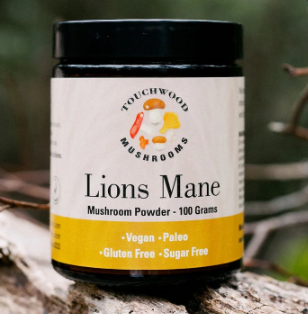
BUY here https://touchwoodmushrooms.com/collections/medicinal-mushroom-powders/products/organic-lions-mane-mushroom-powder references https://pmc.ncbi.nlm.nih.gov/articles/PMC12030463/ https://neurosciencenews.com/mushroom-memory-neurogenesis-22476/ https://www.doctorsondemand.com.au/blog/the-brain-boosting-potential-of-lions-mane/


Comments